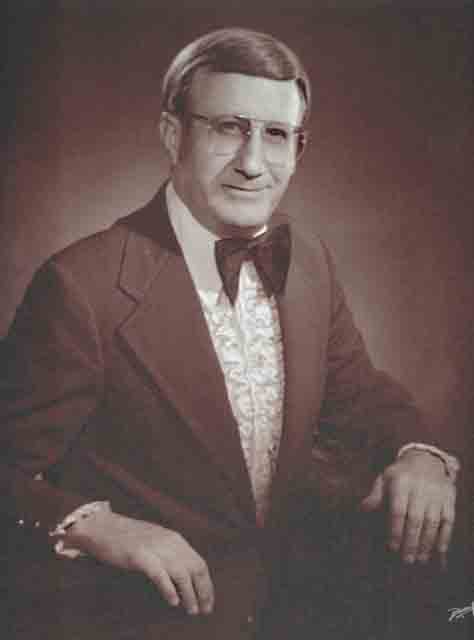
(1980-1981)
Ray Strickland was one of Boise Little Theater’s most devoted and multi-talented contributors, dedicating nearly three decades to the success of the organization. His work touched nearly every aspect of BLT — from stage management and set design to lighting, sound, building maintenance, and board leadership — making him an indispensable part of the theater’s history.
Ray’s journey began in 1968 with set construction for No Time for Sergeants and The Hasty Heart. He quickly became a backstage leader, serving as assistant stage manager, lighting assistant, and sound designer before stepping into stage management with Stalag 17 (1969). Over the years, he stage managed many BLT classics, including Antigone, Susan Slept Here, The Lion in Winter, A Thousand Clowns, Harvey, The Inspector General, The Runner Stumbles, Dinner at Eight, and Opal’s Baby.
Ray’s technical expertise shone through his award-winning designs — he received BLT’s Best Lighting Design Award for Plaza Suite (1971) and a shared Best Sound Design Award for Don’t Drink the Water the same season. He also built and designed sets for dozens of productions, including Twelve Angry Jurors (in which he also starred as Juror No. 8), Anything Goes, California Suite, Barefoot in the Park, See How They Run, and Same Time, Next Year.
In addition to his artistic work, Ray served on the BLT Board of Directors for multiple terms and was elected President for the 1980–81 season, leading the theater through a period of continued growth. He also chaired Buildings and Grounds for many years, ensuring BLT’s facility was maintained for future generations.
Though his primary work was backstage, Ray occasionally appeared under the lights, performing roles such as Bert Hutchins in The Biggest Thief in Town, Narracott in Ten Little Indians, and the Trojan Man in Tiger at the Gates.
Even in later years, Ray continued to contribute as a co-house manager, usher, and set crew member, remaining an active part of BLT well into the 1990s. His long tenure of service — encompassing hundreds of hours of construction, management, and creative work — exemplified the spirit of community theater.
Ray Strickland’s legacy is one of tireless dedication, technical artistry, and leadership. His decades of contributions helped shape Boise Little Theater into the thriving volunteer-driven institution it is today.